Rising Incidence of Food Intolerance & How To Reverse Them
Dr. Veena Angle, MBBS, MD (Microbiology) — Gut wellness coach and medical writer. [About Veena ]
Medical disclaimer: The information on this site is educational and not a substitute for professional medical advice. If you have a health concern, please consult a licensed healthcare provider.
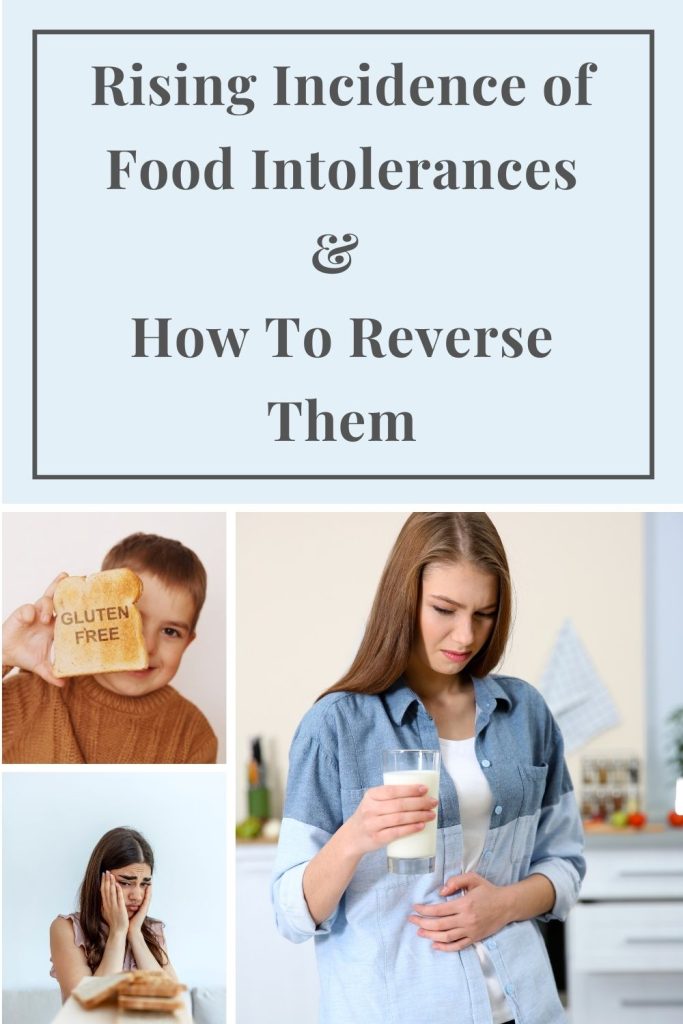
Food intolerance has become increasingly common over the last few decades. More people than ever report bloating, gas, skin issues, brain fog, and fatigue after eating certain foods, even when they don’t have a true food allergy. If this sounds familiar, you’re not alone. And the surprising truth? Many food intolerances start in the gut.
In this post, we break down what food intolerance really is, how it develops, and how improving gut health can reduce symptoms and help you enjoy food with more confidence.
What Is a Food Intolerance? (And How It’s Different from a Food Allergy)
A food intolerance occurs when your body has trouble digesting or processing certain foods. It’s usually driven by:
- Enzyme deficiencies- genetic or secondary to gut inflammation
- Gut inflammation
- Poor microbiome diversity
- Reactions to additives.
A food allergy, on the other hand, involves the immune system. Allergies can trigger hives, swelling, or even life-threatening anaphylaxis. Intolerances don’t involve this kind of immune reaction—though they can still cause significant discomfort.
Intolerance is a digestive issue, while Allergy is an immune issue
Common Symptoms of Food Intolerance
Symptoms often appear hours after eating, making the connection harder to identify. They can include:
- Bloating or gas
- Diarrhea or constipation
- Stomach cramps
- Reflux or heartburn
- Headaches or migraines
- Fatigue
- Brain fog
- Skin issues like acne, eczema, or rashes
- Joint aches
- Mood changes or irritability
These symptoms overlap with other gut issues, which is one reason intolerances often go undiagnosed.
Why Food Intolerances Are Increasing
Several modern-lifestyle factors contribute to rising intolerance rates:
- Highly processed diets low in fiber
- Frequent antibiotic exposure
- Environmental toxins
- Chronic stress
- Lack of diverse plant foods
- Disrupted sleep
- Overconsumption of sugar and alcohol
These factors weaken the gut lining and disrupt the gut microbiome—the two major players behind food intolerance.
The Gut–Food Intolerance Connection
Here’s where it gets interesting: most food intolerances aren’t about the food, they’re about the condition of your gut.
Let’s break down the root causes.
1. An Imbalanced Gut Microbiome (Dysbiosis)
Your gut microbes help you digest food and break down hard-to-digest components like fibers, FODMAPs, and plant compounds.
When the microbiome becomes imbalanced:
- You produce fewer digestive enzymes
- Gas-producing bacteria overgrow
- Food ferments instead of being digested
- You react to foods you previously tolerated
This is why people suddenly become “sensitive” to dairy, gluten, onion, garlic, beans, or certain fruits.
2. Weak Digestive Enzymes
Low levels of enzymes like lactase (for dairy), amylase (for carbs), lipase (for fats), and proteases (for protein) can make digestion sluggish and cause intolerance-like symptoms. Enzyme levels drop when:
- Gut lining is inflamed
- There’s an overgrowth of bad bacteria
- The pancreas or stomach isn’t functioning optimally
- You rush through meals or eat under stress
3. Leaky Gut (Increased Intestinal Permeability)
A damaged gut lining allows food particles to escape into the bloodstream, triggering low-grade immune responses. This doesn’t cause a true allergy, but it can cause:
- Sensitivity to multiple foods
- Skin flare-ups
- Fatigue
- Brain fog
Many people with “multiple food intolerances” actually have underlying leaky gut.
4. Histamine Intolerance and Gut Health
Some foods (aged cheeses, wine, fermented foods) naturally contain histamine. You need the enzyme Diamine Oxidase (DAO) to break it down. A disrupted gut can reduce DAO activity, leading to histamine intolerance. Symptoms of histamine intolerance include:
- Headaches
- Flushing after food or wine
- Palpitations
- Skin itching or hives
- Anxiety after meals
Again, the root cause is often gut dysfunction.
How to Tell If You Have a Food Intolerance
You may have a food intolerance if:
- Symptoms appear 30 minutes to 72 hours after eating
- Symptoms vary depending on the gut’s condition
- You tolerate the food sometimes, but not always
- Symptoms improve when you avoid the suspected food
- You feel better with probiotics or gut-healing diets
Unlike allergies, intolerance symptoms are unpredictable and depend heavily on gut health.
Steps to Healing Your Gut and Reversing Food Intolerance
Most food intolerances improve significantly when the gut is repaired.
Here’s how:
1. Remove Irritants Temporarily
Common irritants include:
- Ultra-processed foods
- Excess sugar and alcohol
- Gluten (in some individuals)
- Dairy (if lactose intolerant)
- Processed seed oils
- Artificial sweeteners
- High-histamine foods (if sensitive)
This is not about long-term restriction, just lowering inflammation while the gut heals.
2. Add Gut-Healing Nutrients
- Bone broth or collagen
- Omega-3-rich foods
- Prebiotic fiber (in tolerated amounts)
- Polyphenol-rich fruits and veggies
- Ginger, turmeric, and other anti-inflammatory herbs
- Fermented foods (if tolerated)
3. Support the Microbiome
- Eat 30+ plants per week– There is evidence that this supports microbiome diversity and supports gut health.
- Include beans, legumes, and whole grains
- Add fermented foods
- Rotate your plant diversity
- Reduce processed foods that feed harmful bacteria
4. Improve Digestion
- Slow down while eating
- Chew thoroughly
- Add lemon or apple cider vinegar before meals
- Try digestive enzymes (if appropriate)
- Manage stress during meals
5. Reintroduce foods strategically
Once symptoms settle, foods can be reintroduced systematically. Most people regain tolerance when:
- The gut lining heals
- Microbial diversity improves
- Inflammation lowers
However, bear in mind you need to be extra conscious about supporting and healing your gut henceforth so that the food intolerance doesn’t recur.
When to Seek Professional Guidance
Consult a healthcare provider or gut health coach if:
- Symptoms are severe
- You react to many foods
- There’s unexplained weight loss
- Symptoms persist despite diet changes
Testing like stool analysis, SIBO breath tests, or food sensitivity testing may help when used appropriately.
Food intolerances are often a message from your gut that something deeper needs attention. By addressing gut health through nourishment, lifestyle, and microbial balance, most people can dramatically reduce symptoms and regain confidence and freedom in their food choices
Subscribe for more gut-healthy tips and strategies!
References
- Yatsunenko T, Rey FE, Manary MJ, et al. Human gut microbiome viewed across age and geography. Nature. 2012;486(7402):222-7.
- Sonnenburg ED, Sonnenburg JL. The ancestral and industrialized gut microbiome and implications for human health. Nat Rev Microbiol. 2019;17(6):383-90.
- Martínez Steele E, Popkin BM, Swinburn B, Monteiro CA. The share of ultra-processed foods and the overall nutritional quality of diets in the US. Popul Health Metr. 2017;15(1):6.
- Tanner L. Ultra-processed foods now make up more than 60% of U.S. calories, study says. AP News. 2024.
- Sicherer SH, Sampson HA. Food allergy: epidemiology, pathogenesis, diagnosis, and treatment. Nat Rev Immunol. 2018;18(2):130-40.
- Grand View Research. Gluten-Free Products Market Size, Share & Trends Report, 2024–2030. Grand View Research; 2024.