Unravelling the Connection Between Acne and Gut Health
Dr. Veena Angle, MBBS, MD (Microbiology) — Gut wellness coach and medical writer. [About Veena ]
Medical disclaimer: The information on this site is educational and not a substitute for professional medical advice. If you have a health concern, please consult a licensed healthcare provider.
You might wonder, what could the connection between acne and gut health possibly be. But if you give it a moments thought, many factors that we know cause acne (bad diet, obesity, hormonal imbalance) are either the cause or a result of gut microbiome imbalance. Recent science has shown the critical role of the gut microbiome in instigating acne vulgaris (the medical term for buildup of dead skin cells and oil causing clogging of hair follicles. This leads to blackheads, whiteheads and pimples.)

Acne vulgaris affects up to 85% of people at some point in their lives. While traditionally considered a skin health issue affecting only during adolescence, the incidence of acne has been growing among adults (possibly attributed to our falling gut health). According to a study, 12-22% of North American women suffer from acne during their adult life.
Recent research highlights that gut dysbiosis (imbalance in the gut microbiota), intestinal permeability (“leaky gut”), and systemic inflammation may all contribute to acne development. This blog post explores the gut–skin axis, the pathogenesis of acne, and how gut-focused dietary and plant-based strategies can help clear acne and restore skin health naturally.
The Gut–Skin Axis
Our gut is home to trillions of bacteria (called the gut microbiome) that help digest food, support immunity, and reduce inflammation. The gut–skin axis refers to the complex, bidirectional communication network between the gut microbiome and the skin. The immune system, hormones, metabolites, and inflammatory signals mediate this interaction.
Studies show that acne patients often have gut dysbiosis (indicated by less microbial diversity in their gut) and a distinct gut microbial composition compared to healthy individuals.
When there is gut dysbiosis, which is an imbalance of good and bad bacteria in the gut, it leads to:
- Increased intestinal permeability, resulting in toxins and bacteria silently invading the blood.
- Release of endotoxins (e.g., LPS) into the bloodstream- The bacteria entering the blood produce toxins called endotoxins.
- Systemic inflammation, including in the skin, occurs when toxins and bacteria incite an immune response, causing systemic inflammation.
What causes acne?
Several key processes contribute to the development of acne:
- Excess oil (sebum) production – Driven by hormones like androgens and IGF-1, this extra oil makes the skin more prone to breakouts.
- Clogged pores – Dead skin cells don’t shed properly and get stuck inside the pores, leading to blockages.
- Bacteria overgrowth – A skin bacterium called Cutibacterium acnes (especially certain aggressive strains) multiplies in clogged pores and releases substances that irritate the skin.
- Inflammation – The body’s immune system reacts to the blockage and bacteria by sending inflammatory chemicals, which cause redness, swelling, and pus-filled pimples.
Together, these steps create the familiar signs of acne: blackheads, whiteheads, pimples, and sometimes deeper, painful bumps.
Interestingly, not all C. acnes strains are harmful—only specific types are associated with acne. Healthy skin also hosts C. acnes, but in a more balanced microbial ecosystem.
How Gut Health Influences Acne Risk
Let’s connect the dots between gut health and these acne pathways. Factors that are responsible for poor gut health are also implicated in the risk for acne.
1. High-Glycemic Diet & Insulin Spikes
- Diets high in sugar and refined carbs cause gut dysbiosis. Sugars raise insulin and a substance called Insulin-like Growth Factor-1 (IGF-1), both of which:
- Boost androgen production
- Stimulate sebum secretion
- Promote production of skin cells and oils/fats.
2. Low-Fiber Diet
- A low-fiber diet, often high in refined and processed foods like white bread, sugary snacks, and fast food, deprives the gut microbiome of the nutrients it needs to thrive. Fiber acts as fuel for beneficial gut bacteria, helping them produce short-chain fatty acids (SCFAs) that reduce inflammation and support a strong gut lining. Without enough fiber, these bacteria decline, leading to gut dysbiosis, increased intestinal permeability, and low-grade inflammation—all of which can negatively affect digestion, immunity, and even skin health.
3. Antibiotic Overuse
- Antibiotics, while effective at killing harmful bacteria, don’t discriminate—they also wipe out many of the beneficial bacteria in your gut. This disruption can lead to gut dysbiosis, an imbalance where harmful microbes take over.
- This internal inflammation caused by gut dysbiosis can then show up on the skin in the form of acne, eczema, or other inflammatory skin issues. Long-term or repeated antibiotic use, especially for acne, can also make the skin microbiome more vulnerable by promoting resistant bacteria and weakening its natural defenses. So while antibiotics may offer short-term relief, they can worsen gut and skin health in the long run if not used carefully.
Herbal Supplements for Acne
Plant-based approaches target both gut microbiota changes and systemic inflammation. Some botanicals have demonstrated clinical efficacy comparable to conventional treatments for acne—with fewer side effects.
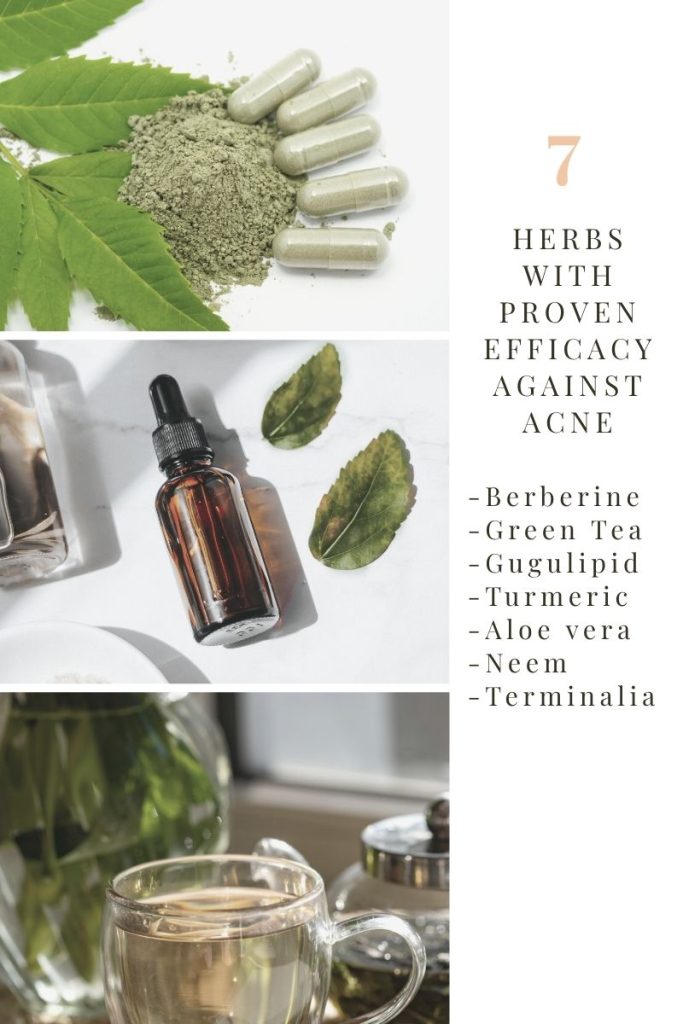
Berberine
Berberine is a plant-based compound with antimicrobial, anti-inflammatory, and blood sugar-regulating properties—making it a promising natural option for managing acne, especially when linked to hormonal imbalance or gut dysbiosis. It helps with acne due to the following:
- Antimicrobial action: Berberine inhibits acne-causing bacteria like Cutibacterium acnes, Staphylococcus aureus, and Malassezia, helping reduce infection and inflammation in the skin.
- Anti-inflammatory effects: It reduces the production of pro-inflammatory cytokines, calming redness and swelling associated with acne.
- Reduces sebum (oil) production: Berberine has been shown to suppress lipogenesis (oil production) in sebaceous glands, making it helpful for oily skin types.
- Improves insulin sensitivity: By balancing blood sugar and insulin levels, berberine helps reduce IGF-1, a hormone that drives oil production and worsens acne—especially in cases of hormonal acne or PCOS.
Berberine is usually taken as an oral supplement (capsules or tablets), and not typically used topically. Supplements need to be taken for 4-8 weeks to see any effect. Consult a healthcare practitioner before starting treatment.
Green Tea Extract (EGCG)
Green tea extract, rich in the antioxidant EGCG (epigallocatechin-3-gallate), has shown promising benefits in managing acne. EGCG helps reduce inflammation, inhibit the growth of acne-causing bacteria (Cutibacterium acnes), and decrease sebum (oil) production, which are all key factors in acne development. Clinical studies have found that topical green tea extract can significantly reduce the number of acne lesions, especially in women with hormonal or adult acne and topical formulations work better than oral supplements. It may also help regulate blood sugar and lower insulin and IGF-1 levels, further supporting skin health. Green tea extract is typically taken as a supplement (e.g., 500–1500 mg/day) or used in topical formulations for its soothing, anti-acne effects.
Gugulipid (from Commiphora mukul)
Gugulipid, an extract from the resin of the Commiphora mukul plant (used in Ayurvedic medicine), has been studied for its effectiveness in treating nodulocystic acne. It contains active compounds called guggulsterones, which have anti-inflammatory, antibacterial, and hormone-modulating properties. Gugulipid helps reduce sebum production and inflammation, both of which are central to acne formation. In clinical trials, it was found to be as effective as tetracycline, a common antibiotic used for acne, but without the risk of antibiotic resistance. It’s typically used in oral supplement form, under medical guidance.
Turmeric (Curcuma longa)
Turmeric (Curcuma longa) is a well-known anti-inflammatory and antimicrobial herb, largely due to its active compound curcumin. In acne management, turmeric helps by reducing inflammation, inhibiting acne-causing bacteria (Cutibacterium acnes), and balancing oxidative stress in the skin. It also supports gut health, which can indirectly improve skin conditions through the gut–skin axis. Turmeric can be used orally as a supplement or topically as part of face masks or creams. While promising, curcumin has low natural absorption, so it’s often paired with black pepper extract (piperine) or formulated in enhanced-absorption supplements for better results.
Aloe vera, Neem, Terminalia species (Ayurvedic herbs)
Aloe vera, Neem (Azadirachta indica), and Terminalia species (such as Terminalia chebula and Terminalia arjuna) are traditional Ayurvedic herbs with proven benefits in managing acne.
- Aloe vera soothes inflamed skin, promotes healing, and has mild antibacterial effects.
- Neem is known for its strong antimicrobial and anti-inflammatory properties, helping reduce acne-causing bacteria and skin irritation.
- Terminalia species offer antioxidant and detoxifying effects, supporting both skin health and gut function.
Clinical studies have shown that oral and topical formulations containing combinations of these herbs can significantly reduce acne lesions, making them effective natural alternatives or complements to conventional acne treatments.
Gut-Friendly Diet for Acne: What to Eat and What to Avoid
A diet that supports gut health can significantly reduce inflammation, balance hormones, and improve acne over time. A diet will not just contribute towards good skin, but also protect you from many chronic diseases. Here’s how to structure your meals:
Foods to Include in Your Diet:
- Low-Glycemic Carbohydrates
Don’t demonize carbs. Eat foods with a low-glycemic index. These prevent insulin spikes that trigger excess oil production.
Examples: Sweet potatoes, rolled oats, quinoa, brown rice, legumes, berries. - High-Fiber Foods
Eat as much high-fibre foods as possible, to feed beneficial gut bacteria and improve digestion.
Examples: Leafy greens (spinach, kale), broccoli, carrots, apples, chia seeds, flaxseeds, whole grains. - Fermented Foods
Explore and incorporate fermented foods in your diet. They support a healthy gut microbiome by introducing probiotics. Most of them can even be prepared at home.
Examples: Plain yogurt, kefir, sauerkraut, kimchi, miso, tempeh. - Anti-Inflammatory Fats
Not all fats are bad for you. The omega-3 fats have anti-inflammatory properties and help reduce skin inflammation. Limit intake of the omega-6 fats (vegetable and seed oils) which are inflammatory.
Examples: Walnuts, flaxseeds, chia seeds, avocados, olive oil, fatty fish (like salmon or sardines). - Polyphenol-Rich Plants
Keep your pantry and plate stocked well with foods rich in polyphenols. Polyphenols act as antioxidants and gut microbiota modulators.
Examples: Green tea, turmeric, berries, dark chocolate (low sugar), herbs like oregano and rosemary.
Foods to Avoid or Limit:
- High-Glycemic, Processed Foods
These spike blood sugar and increase insulin and IGF-1 levels. The best way to avoid these is to prevent them from entering your home. Do a pantry clean-out and dump processed food for clean and clear skin!
Examples: White bread, pastries, chips, sugary breakfast cereals, sodas, and candy. - Refined Sugars
Sugar is the root cause of multiple health problems, not just acne. It feeds the harmful gut bacteria and worsens inflammation. Reduce the intake of sugar as much as possible. No, you won’t die if you don’t eat dessert at every meal.
Examples: Table sugar, sweetened drinks, desserts, hidden sugars in sauces or packaged snacks. - Excess Dairy
Limit your consumption of dairy and dairy products. Especially skim milk, which may increase acne in some people.
Examples: Flavored yogurts, milkshakes, ice cream, cheese (for sensitive individuals). - Fried and Greasy Foods
Eating fried and greasy snacks can promote oxidative stress and inflammation. Opt for baked or non-fried options in snacks and foods.
Examples: Fast food, fried chicken, French fries, processed meats.
Eating this way helps balance blood sugar, reduce systemic inflammation, and support a healthier skin barrier from within.
What About Probiotics?
Oral probiotics like Lactobacillus acidophilus and Bifidobacterium bifidum have shown reduced acne lesions and systemic inflammation. However, more large-scale trials are needed to standardize doses and strains.
Healing your gut might just be the most effective skincare you haven’t tried yet.
Final Thoughts
Acne isn’t just a surface issue—it’s a reflection of systemic imbalance, often rooted in the gut microbiome. Rather than relying solely on antibiotics or topical treatments, addressing acne from the inside-out through diet, botanicals, and microbiome care is a promising strategy.