Kitchen Systems That Keep Me Cooking From Scratch, Even on Chaotic Days
Dr. Veena Angle, MBBS, MD (Microbiology) — Gut wellness coach and medical writer. About Veena
Medical disclaimer: The information on this site is educational and not a substitute for professional medical advice. If you have a health concern, please consult a licensed healthcare provider.
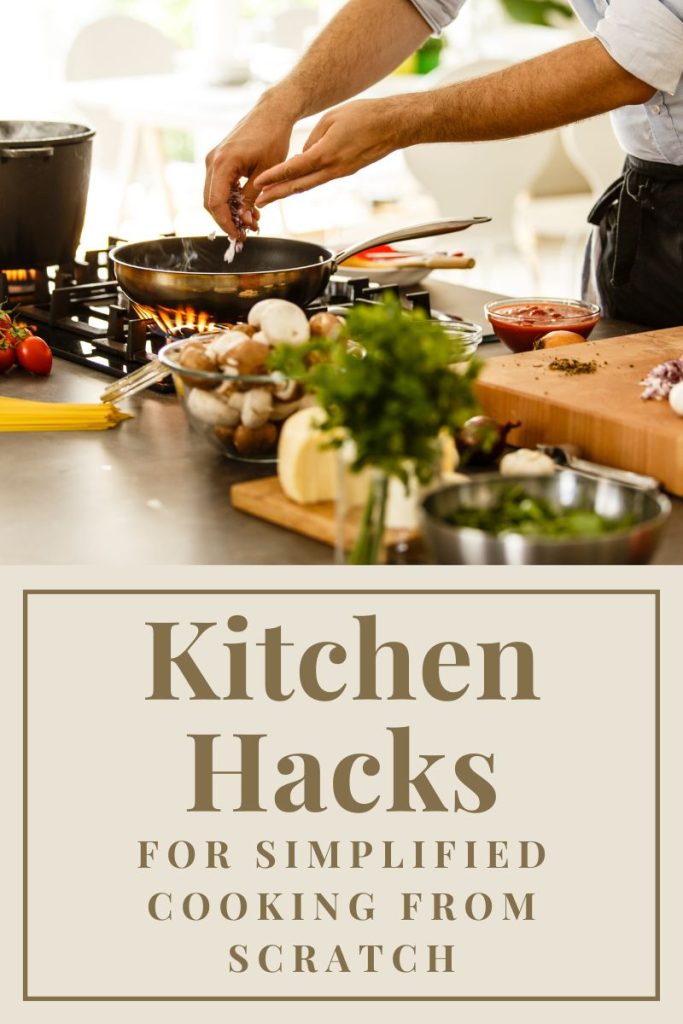
Cooking three wholesome meals a day for a family of six, while managing a career, exercise, and family time, might sound overwhelming to many. My friends and relatives often wonder how I do it. The truth is, I’ve been able to keep up this rhythm only because of a few kitchen systems that simplify cooking without compromising on quality or nutrition.
Kitchen systems and the busy family kitchen
I firmly believe in the value that cooking from scratch adds to my family’s health. It has set the right habits for my kids — they genuinely prefer my homemade sandwiches to McDonald’s (that says a lot!). But none of this would be possible without a few habits and systems that help me get food on the table quickly, minimize waste, and keep cooking joyful instead of stressful.
If you’re looking for the tools and techniques that make individual cooking tasks faster — pressure cookers, food processors, and the like — that’s covered in this post. This one is about something different: the habits and routines that make cooking from scratch sustainable week after week, not just faster in the moment.
These systems didn’t come overnight; they evolved over years of experimenting, failing, and finding smarter ways to do everyday cooking tasks. Today, they’re second nature, and they’re the reason cooking from scratch feels easy, even on busy days.
These aren’t about cutting corners — they’re about cutting chaos. They help you:
- Cook smarter, not harder. Read as less stress and less time in the kitchen.
- Maximize the use of ingredients and reduce waste.
- Optimize your household budget (a huge plus in times of rising food prices).
- Contribute to a more sustainable way of living — another cause close to my heart.
When you embrace these small efficiencies, you save time and mental energy, freeing up space to actually enjoy the cooking process.
The Systems That Make It Work
1. A Weekly Batch-Cooking Rhythm
Once a week, usually on Sunday, I cook staple foods — grains, lentils, roasted vegetables — in larger quantities, so pre-cooked rice, beans, or dal are ready in the fridge for effortless weeknight meals. I’ve written a full breakdown of how I structure this — what to cook, how to store it, and how to turn it into a week of different meals — in Batch Cooking: The Smart Way to Simplify Cooking from Scratch, so I won’t repeat it all here. The short version: leftover rice becomes fried rice for lunchboxes, quick lemon rice with a probiotic-rich yogurt raita, or a wholesome Buddha bowl — and having pre-cooked beans on hand means a weeknight curry or a healthy salad is minutes away, not an hour.
Batch cooking doesn’t just save time; it saves the mental energy of figuring out what to cook every single day. It gives you a direction to think in while meal planning.
Show Image
2. Smart Freezing and Storing
The freezer is one of the most underused tools for sustainable from-scratch cooking. Freeze cooked pulses, soups, sauces, or chopped veggies in portion sizes. I often cook double batches of beans or broths and freeze half — it’s like having a ready-to-use pantry, without the food additives found in canned or frozen supermarket foods.
A few things that work for me:
- Label and date your containers to avoid forgotten mystery boxes.
- Invest in transparent containers so you know precisely what’s in them at a glance — though frozen food can look quite different from the thawed version, so label anyway.
- Freeze cooked grains slightly underdone so they reheat perfectly.
- Flatten curries or sauces in ziplock bags to save space and defrost faster.
- Freeze burger patties on a baking tray first, then transfer to ziplock bags for easy individual removal.
3. Repurpose Leftovers Creatively
Leftovers are gold if you learn to look at them differently. Yesterday’s dal or palak paneer can become a protein-rich paratha when mixed into whole wheat flour and kneaded into a soft dough (it stays amazingly soft in lunchboxes). Roasted vegetables can be transformed into wraps, quesadillas, or pasta fillings. Diluted chicken curry, cooked with rice in the pressure cooker, turns into a flavorful pilaf.
This approach not only saves time but prevents food waste. Don’t let your family know of your creativity, and instead of complaints about being fed leftovers, you’ll hear compliments for your “new” dish.
4. Preprepared Pastes and Mixes
This is my favorite system for Asian-style home cooking. I keep a few multi-use bases ready in the fridge:
- Thai curry paste — for curries, or for roasting seafood, chicken, and veggies.
- Ginger-garlic-chili paste — a must-have if you cook North Indian food.
- Chilli oil or Schezwan chutney — for quick noodles and stir-fries.
A spoonful of one of these can transform simple lentils, sautéed veggies, or even scrambled eggs into a satisfying meal, across Indian, Asian, or Mediterranean cooking.
5. “One Base, Many Meals”
This has saved me on countless busy days. The idea: make one versatile base, use it across multiple dishes through the week.
- A tomato-onion-cashew or almond curry base becomes chickpea curry one night, paneer masala the next, or a mixed vegetable stew after that.
- A soup base becomes a hearty minestrone one day, a creamy blended soup the next.
- A large batch of homemade passata works across pasta, bread, or even a salad.
Once you start thinking this way, meal planning becomes flexible instead of rigid. There’s no need for elaborate menus — the key is consistency, not excellence.
6. A Standing Prep Rhythm
Having chopped veggies and washed greens ready before cooking makes everything smoother and faster. This is what really helps with the morning rush of lunchboxes and breakfast — I chop for the next morning while dinner is cooking, which gives me a head start and cuts the next day’s stress. I often prep for two to three meals at a time, especially when I’m already in the kitchen. A well-organized fridge with stackable containers is a small but genuinely powerful time-saver.
7. Let Equipment Do the Work
Simplified cooking doesn’t mean doing everything manually. I lean on my food processor for chopping, my oven for roasting big batches of vegetables, and my pressure cooker for soups and dals — the specific tools and techniques that make each of these tasks faster are covered in more depth in Simplified Recipes.
Minimalism in the kitchen is about intentional tools, not no tools. Use what makes your life easier, and skip what clutters your counter.
How These Systems Support a Gut-Healthy Lifestyle
Cooking from scratch gives you control over ingredients, helping you avoid hidden food additives, refined oils, and preservatives that often work against gut health. These systems make it feasible to eat real, wholesome food daily, even with a packed schedule.
When food is simple, fresh, and home-cooked, your gut — and your family — benefit. This isn’t about perfection; it’s about rhythm. Once you find your flow — batching, prepping, freezing, and repurposing, working together as a system rather than one-off tricks — cooking from scratch becomes less of a challenge and more of a habit. It will take time to build. But the time you invest gets used efficiently and pays off in your long-term health.
Start with one or two of these systems, build your own rhythm around them, and you’ll be surprised how effortlessly you can keep your family well-fed while living sustainably and mindfully.